In-Company Training Format
Customized operational leadership development for your supervisory team
Why bring training to your operation?
In-company training allows maximum customization and integration with your specific operational environment. Rather than teaching generic scenarios, we work with your actual challenges, procedures, and terminology. Your supervisors learn skills they can apply immediately with their actual teams.
This format also addresses practical scheduling challenges. We work around your operational rhythms rather than requiring supervisors to attend sessions at fixed times that may conflict with peak periods or critical shifts.
How does customization work?
We start by understanding your operation in detail. This includes conversations with operations management and, when possible, with supervisors themselves to identify their most pressing challenges.
Operational Assessment
We learn about your specific environment: What industry sector are you in? What are your peak operational periods? What's your typical staffing structure? What challenges do your supervisors mention most frequently? What have you tried before to address these challenges?
This assessment helps us identify which core modules will be most valuable and what customization will make the training most relevant to your team.
Scenario Development
Using information from the assessment, we adapt training scenarios to match your operation. If you're in retail, scenarios incorporate your store layout, customer service standards, and common situations your floor supervisors face. If you're in logistics, scenarios reflect your warehouse environment, shipping priorities, and coordination challenges.
We can incorporate your actual procedures and terminology, making the training feel like it's designed specifically for your operation—because it is.
Module Selection
Not every organization needs every module. We work with you to identify which topics address your most pressing supervisory challenges. Some organizations need intensive focus on communication and feedback skills. Others need more emphasis on decision-making under pressure or team coordination in high-turnover environments.
The program is structured to address your priorities while maintaining the progressive skill-building approach that makes the training effective.
What does the training schedule look like?
In-company programs are designed around your operational requirements. We understand that pulling supervisors away from operations has costs, so we work to maximize training impact while minimizing operational disruption.
Flexible Session Timing
Sessions can be scheduled during lower-volume periods, between shifts, or structured as intensive workshops on designated training days. We adapt to what works for your operation rather than requiring you to adapt to a fixed schedule.
For operations with multiple shifts, we can deliver the same training to different groups at different times, ensuring all supervisors receive consistent development regardless of their shift assignment.
Progressive Implementation
Rather than delivering all training at once, programs are typically structured in phases. This allows supervisors to apply what they've learned before moving to the next module. The spacing between sessions provides time for practice and integration of new skills.
This progressive approach also allows for adjustment based on what's working well and what needs more emphasis. If supervisors are struggling with a particular aspect, we can provide additional practice or adjust subsequent sessions to reinforce those skills.
What support is provided between sessions?
In-company programs typically include support between training sessions to help supervisors apply new skills and address challenges that arise during implementation.
Reference Materials
Supervisors receive customized reference materials that reflect your operation's specific procedures and terminology. These materials serve as quick-reference guides when supervisors encounter situations where they want to apply what they've learned.
Follow-Up Sessions
Programs can include follow-up sessions where supervisors discuss what they've tried, what worked, and what was challenging. These sessions provide opportunities to refine approaches and address implementation obstacles specific to your operational environment.
Follow-up sessions also allow supervisors to learn from each other's experiences, building a shared understanding of effective practices within your organization.
Management Alignment
For in-company programs, we can include sessions with operations management to ensure they understand what supervisors are learning and how to support skill application. When management and supervisors share a common framework, implementation is more consistent and effective.
How many supervisors should participate?
In-company programs work well with groups ranging from small teams to larger supervisory cohorts. The ideal size depends on your goals and operational structure.
Small Teams
For organizations with a small number of supervisors, training can be highly interactive with extensive practice and feedback. Small groups allow for deeper exploration of specific challenges and more individualized skill development.
Larger Cohorts
For organizations with many supervisors across multiple locations or shifts, we can deliver training to larger groups while maintaining the interactive, scenario-based approach. Larger cohorts benefit from diverse perspectives and experiences, enriching the learning environment.
When working with larger groups, we use breakout sessions for practice activities, ensuring everyone gets opportunities for hands-on application and feedback.
What happens after the initial training?
The goal is sustained skill development, not just completed training sessions. In-company programs can include various forms of ongoing support:
Refresher Sessions
After supervisors have been applying new skills for several weeks or months, refresher sessions address common challenges and reinforce key concepts. These sessions also provide opportunities to introduce advanced applications of core frameworks.
New Supervisor Integration
As new supervisors join your operation, they can be integrated into the training program. This ensures consistent leadership capabilities across your supervisory team and helps new supervisors develop skills quickly rather than learning through trial and error.
Expanded Modules
Organizations that complete initial training can add modules addressing additional leadership challenges. As supervisors become more confident with core skills, they're ready to develop more advanced capabilities in areas like conflict resolution, performance management, or cross-functional coordination.
How do organizations measure impact?
While we don't provide formal assessment or certification, organizations typically track impact through operational indicators they already monitor:
- Changes in attendance patterns and tardiness rates
- Shifts in employee turnover, particularly among team members supervised by trained supervisors
- Frequency and nature of escalations to higher management
- Supervisor confidence in handling common operational challenges
- Quality and consistency of team performance across different shifts
Many organizations also gather informal feedback from supervisors about which skills they're using most frequently and what's making the biggest difference in their daily work.
What does implementation require from your organization?
Successful in-company training requires several commitments from the organization:
Time for Training
Supervisors need protected time to participate in training sessions without being pulled away for operational issues. This requires planning coverage and setting expectations that training time is a priority.
Support for Application
Management needs to support supervisors as they apply new skills, even when that means doing things differently than before. Supervisors need space to practice new approaches without fear of criticism when they don't execute perfectly immediately.
Consistency Expectations
For training to create lasting change, the organization needs to expect supervisors to use what they've learned. This doesn't mean rigid adherence to specific techniques, but it does mean applying the frameworks and approaches taught in the program.
Ready to bring training to your operation?
Let's discuss how an in-company program can be structured around your specific needs and operational environment.
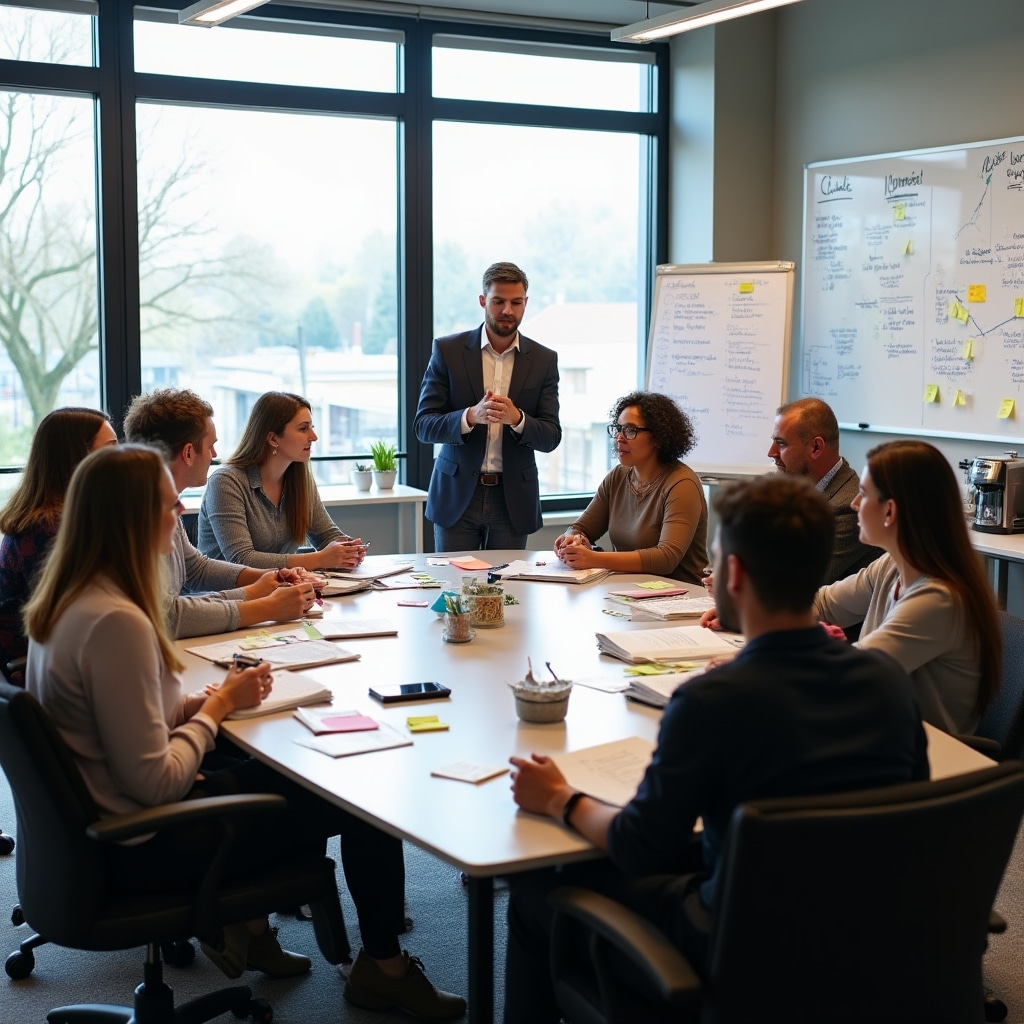
Customized Content
Training scenarios built around your actual operational challenges, using your procedures and terminology. Supervisors recognize situations immediately because they're drawn from their daily work.
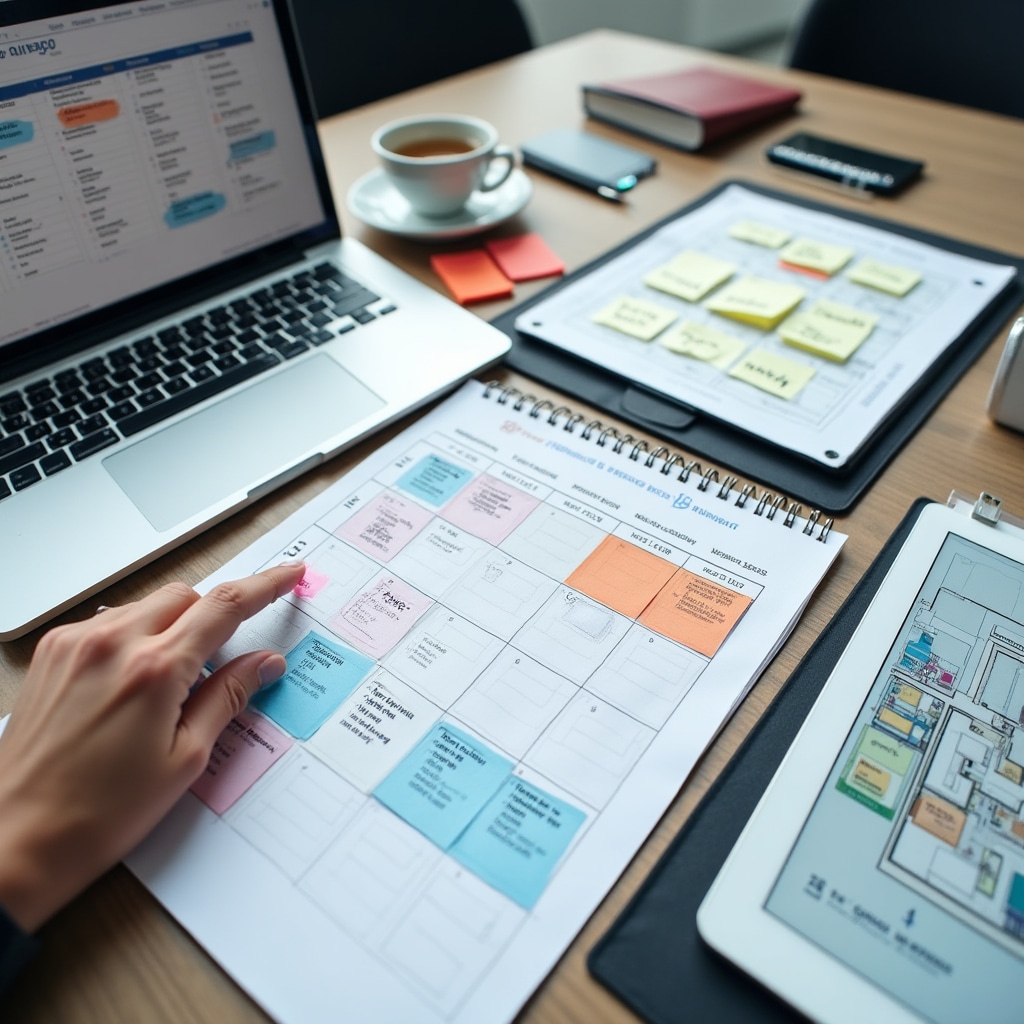
Flexible Scheduling
Sessions structured around your operational rhythms. We adapt to your schedule rather than requiring you to work around fixed training times that conflict with your busiest periods.
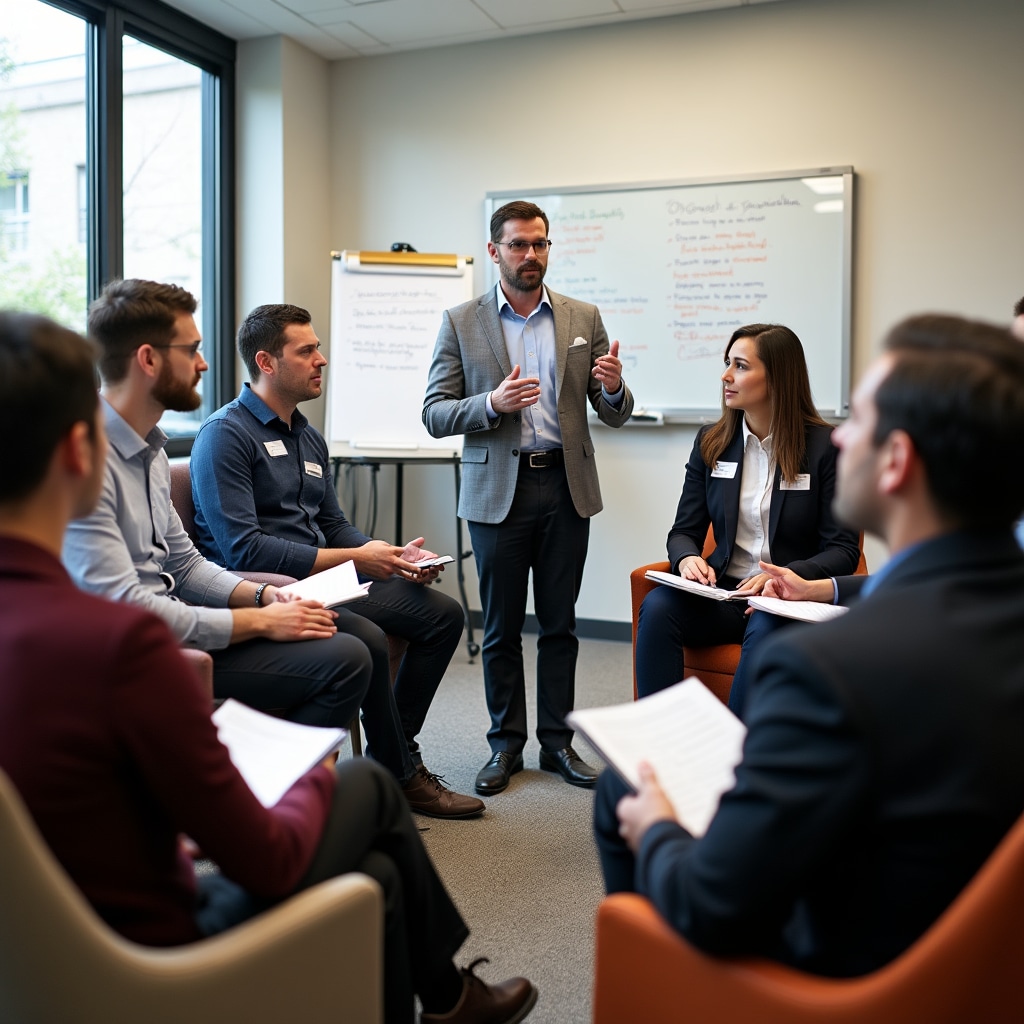
Ongoing Support
Follow-up sessions help supervisors refine their approach based on real experiences. Address implementation challenges and build shared understanding of effective practices within your organization.
Start developing your supervisory team
Contact us to discuss your operational challenges and how an in-company program can address them.
Schedule a Consultation